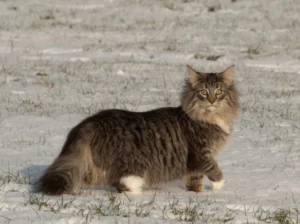
Massive cat breeds like the Maine Coon, Ragdoll, Norwegian Forest Cat, and Savannah can weigh 15–25 pounds and tower over the average housecat. Prized for their imposing size, thick coats, and surprisingly affectionate temperaments, these breeds make popular choices for families wanting a large, gentle companion.
Not every cat lover wants a compact, pocket-sized pet. Some households want a feline presence that fills the room—one that greets guests at the door and curls up on the couch like a small dog. That’s where massive cat breeds come in. These gentle giants pair striking size with warm personalities, proving big cats can be just as cuddly as their smaller counterparts.
This guide walks through the largest domestic cat breeds, what makes them so big, the care they require, and how to choose the right one for your home. Whether you’re hoping to find a cuddly companion or simply want to learn more about these impressive animals, you’ll find everything you need to make an informed decision.
What Are Massive Cat Breeds?
Massive cat breeds are domestic cat varieties that grow significantly larger than the average housecat, which typically weighs between 8 and 10 pounds. Many massive breeds exceed 15 pounds, and some males reach 20 to 25 pounds. Genetics, bone structure, and slow growth rates all play a role in determining size—many large breeds take three to five years to reach full maturity.
Large cat breeds aren’t simply overweight versions of smaller cats. Their size comes from a robust skeletal frame, muscular build, and, in many cases, a thick double coat that adds visual bulk.
The Largest Cat Breeds Worth Knowing About
Maine Coon
The Maine Coon is widely recognized as one of the largest domesticated cat breeds in the world. According to the Cat Fanciers’ Association’s breed profile, Maine Coons are known for their large size and gentle nature, often described as “gentle giants” within the cat community. Males typically weigh between 13 and 18 pounds, with some individuals surpassing 20 pounds. Families drawn to the breed will find a range of big cat breeds worth comparing before making a decision.
Beyond their size, Maine Coons are famous for their shaggy, water-resistant coats, tufted ears, and playful, dog-like personalities. Families searching for a friendly, oversized companion often start their search with this breed, and a Maine Coon kitten is widely available through reputable breeders. It’s also worth knowing that Maine Coons are a long-term commitment—learn more about what to expect in this Maine Coon lifespan guide.
Ragdoll
Ragdolls are another heavyweight favorite, with males averaging 15 to 20 pounds. Known for going limp when picked up (hence the name), Ragdolls are calm, affectionate, and known for following their owners from room to room.
Norwegian Forest Cat
Built for harsh Scandinavian winters, the Norwegian Forest Cat sports a dense, water-repellent coat and a muscular frame that can reach up to 16 pounds. This breed shares many physical traits with the Maine Coon, including tufted paws and a bushy tail.
Savannah Cat
A hybrid between a domestic cat and a serval, the Savannah cat is one of the tallest domestic breeds, with long legs and a lean but powerful build. Some Savannahs weigh up to 25 pounds, though size varies significantly by generation.
Siberian Cat
Siberians are triple-coated cats built for cold climates, often weighing between 12 and 20 pounds. Despite their bulk, they’re agile, known for jumping impressive heights and forming strong bonds with their families.
British Shorthair
Shorter and stockier than other breeds on this list, the British Shorthair can still weigh up to 18 pounds thanks to a dense, round body shape and thick coat.
Why Do Some Cat Breeds Grow So Large?
Several factors contribute to a cat breed’s overall size:
- Genetics: Breed-specific genes determine skeletal size, muscle mass, and growth rate.
- Slow maturation: Large breeds like the Maine Coon often take three to five years to reach full size, compared to one year for most smaller breeds.
- Coat density: Thick, layered coats can make a cat appear even larger than its actual body mass.
- Selective breeding: Many large breeds were originally bred for practical purposes, like hunting or surviving cold climates, which favored bigger, hardier cats.
Caring for a Massive Cat Breed
Owning a large cat breed comes with unique responsibilities. Bigger bodies require thoughtful care to stay healthy and comfortable.
Nutrition Needs
Large-breed cats need balanced, high-quality nutrition to support healthy bone and muscle development, especially during their extended growth period. Proper feeding is widely recognized as essential to feline wellbeing, as noted by the FDA’s overview of the AAHA Nutritional Assessment Guidelines for Dogs and Cats. Overfeeding can lead to obesity, which places additional strain on joints already supporting a heavier frame.
Grooming Requirements
Many massive cat breeds, including the Maine Coon, Norwegian Forest Cat, and Siberian, have thick double coats that require regular brushing to prevent matting. A weekly grooming routine is typically sufficient, though longer-haired cats may need more frequent attention during shedding seasons.
Socialization and Temperament
Despite their size, most large cat breeds are known for gentle, affectionate personalities. Early socialization plays a major role in shaping this temperament. Handling kittens gently and exposing them to new experiences early on is a practice encouraged by veterinary professionals, as outlined by the American Veterinary Medical Association’s guidance on socialization. Kittens that are well-socialized tend to grow into confident, friendly adult cats, regardless of their eventual size.
Space and Environment
Large cats generally need more room to move, stretch, and play. Sturdy scratching posts, wide litter boxes, and durable furniture are worthwhile investments, since standard-sized cat products may not comfortably accommodate a 20-pound feline.
Common Mistakes When Choosing a Massive Cat Breed
Bringing home a large cat breed is exciting, but you can avoid a few common mistakes with some preparation:
- Underestimating food costs: Bigger cats eat more, and premium food for large breeds isn’t cheap.
- Skipping breeder research: Reputable breeders prioritize health testing and proper socialization. Buying from an unverified source increases the risk of health or temperament issues.
- Ignoring growth timelines: Some owners expect full size within the first year, not realizing breeds like the Maine Coon take several years to mature fully.
- Overlooking pricing variables
- : Costs vary significantly based on pedigree and breeder reputation. For a full pricing breakdown, this Maine Coon price guide offers a helpful starting point.
Are Massive Cat Breeds Right for Every Household?
Massive cat breeds suit families and individuals who have the space, budget, and time to support a larger animal. Choose a breed like the Maine Coon or Ragdoll if a calm, affectionate personality matters more than a compact size. A Savannah cat, on the other hand, may suit those seeking a more energetic, athletic companion, provided they can meet its higher activity needs.
Apartments with limited space can still accommodate large breeds, as many, including Ragdolls, are relatively low-energy indoors. Homes with more room, however, tend to offer a better fit for highly active breeds like the Savannah.
Frequently Asked Questions
What is the biggest domestic cat breed?
The Maine Coon is generally considered the largest domestic cat breed, with males often weighing between 13 and 18 pounds and occasionally exceeding 20 pounds.
How much do massive cat breeds typically cost?
Prices vary widely depending on breed, pedigree, and breeder reputation. Maine Coon kittens, for example, typically range between $1,000 and $3,000, as detailed in this Maine Coon price range guide.
Do massive cat breeds require special diets?
Yes, large-breed cats benefit from diets formulated to support joint health and steady growth, particularly during their extended maturation period.
Are large cat breeds good with children and other pets?
Most massive cat breeds, including Maine Coons and Ragdolls, are known for calm, tolerant personalities, making them well-suited to households with children and other pets when properly socialized.
How long does it take for a large cat breed to reach full size?
Many large breeds, such as the Maine Coon, take three to five years to reach full physical maturity—significantly longer than the one-year timeline typical of smaller breeds.
Finding Your Own Gentle Giant
Massive cat breeds prove that size and sweetness can go hand in hand. From the shaggy-coated Maine Coon to the athletic Savannah, these breeds offer companionship on a bigger scale without sacrificing the affection and personality that make cats such beloved pets.
Anyone considering a large-breed companion should take time to research reputable breeders, understand long-term care needs, and prepare their home accordingly. Careful preparation makes the transition smoother for both the new pet and its family.
Ready to welcome a gentle giant into your home? Explore our cats for sale to find your perfect match, or dive deeper into the world of big cat breeds before you decide. If you’re planning for the long haul, our Maine Coon lifespan guide is a great place to understand what years of companionship with one of these gentle giants really looks like. For breed standards and pedigree information, the Cat Fanciers’ Association is a trusted resource worth bookmarking. Reach out any time with questions about finding the right massive cat breed for your household.