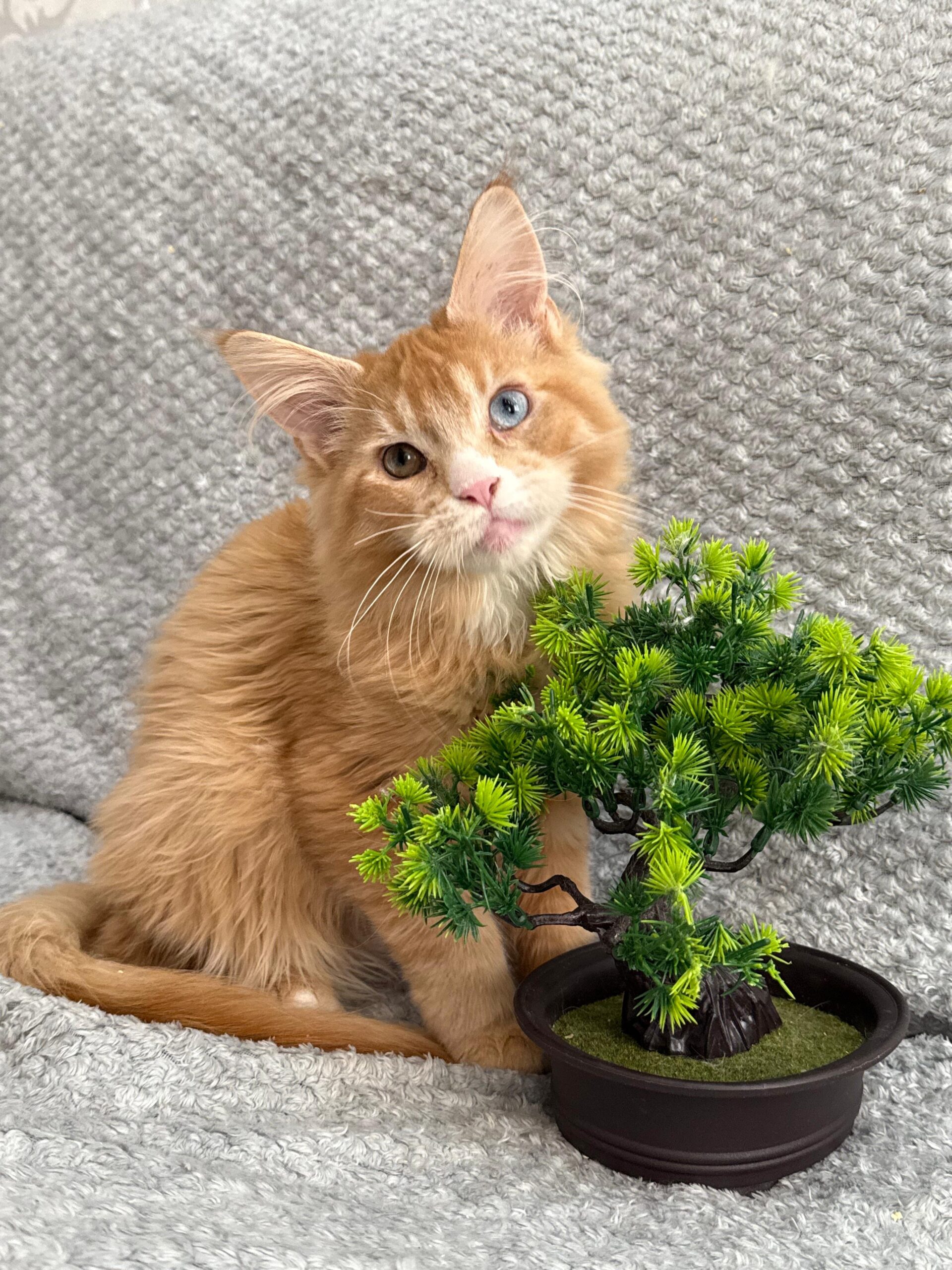
Maine Coons typically live between 12 and 18 years, with some reaching their early 20s. Maine Coon lifespan is influenced by genetics, diet, veterinary care, and living environment. Proactive health management — especially screening for breed-specific conditions like hypertrophic cardiomyopathy — is widely considered the most effective way to extend a Maine Coon’s life.
Maine Coons are hard to miss. Broad chests, tufted ears, and a tail that seems to go on forever — these cats carry themselves like they know exactly how impressive they are. As one of the largest domestic cat breeds in the world, Maine Coons routinely tip the scales at 10 to 25 pounds, yet remain famously gentle and sociable with their families.
For anyone considering bringing one home — or already sharing a couch with one — understanding Maine Coon lifespan is one of the most practical things an owner can do. A longer life doesn’t happen by accident. It’s the result of consistent care, early health screening, and an environment that supports both physical and mental wellbeing.
This guide covers everything worth knowing: how long Maine Coons typically live, what affects their longevity, the health conditions most common to the breed, and the concrete steps that can be taken to give a Maine Coon the best possible chance at a long, healthy life.
What Is the Average Maine Coon Lifespan?
Most Maine Coons live between 12 and 18 years. That range places them comfortably in line with — and sometimes beyond — the average domestic cat lifespan of 12 to 15 years, according to the American Veterinary Medical Association.
Some Maine Coons live well past 18. There are documented cases of Maine Coons reaching their early 20s, though these are outliers rather than the norm. What these long-lived cats tend to have in common is consistent veterinary care, a high-quality diet, and attentive owners who caught health issues early.
Compared to other large breeds, Maine Coons hold up well. Breeds like the Ragdoll and Norwegian Forest Cat share a similar lifespan range, while some smaller breeds — the Siamese, for instance — have been known to live into their mid-to-late 20s under ideal conditions. Size does play a role in feline aging, and larger cats generally age at a slightly faster rate than smaller ones. Even so, an 18-year Maine Coon is entirely achievable with the right care in place.
What Factors Influence Maine Coon Lifespan?
How Do Genetics Shape a Maine Coon’s Longevity?
Genetics set the baseline. Maine Coons are predisposed to several hereditary conditions — most notably hypertrophic cardiomyopathy and polycystic kidney disease — that can significantly shorten lifespan if left undetected. Responsible breeders screen parent cats for these conditions before breeding, which is one of the strongest arguments for sourcing a kitten from a reputable breeder rather than an unverified seller.
If you’re looking for a well-socialized Maine Coon kitten raised with proper health protocols from day one, Giant Maine Coon Kitten offers kittens bred with care and early veterinary attention built into the process.
What Role Does Diet Play in a Maine Coon’s Health?
Maine Coons are large, active cats with proportionally high protein requirements. A diet built around high-quality animal protein — ideally from named sources like chicken, turkey, or salmon — supports lean muscle mass, joint health, and organ function over the long term.
Wet food is generally recommended as a primary food source because it provides hydration alongside nutrition. Dry food alone can contribute to chronic low-grade dehydration, which places unnecessary strain on the kidneys over time. Obesity is also a real concern for Maine Coons given their size, so portion control matters as much as food quality.
Why Is Veterinary Care So Critical for Maine Coons?
Routine veterinary care catches problems before they become serious. Annual wellness exams, dental cleanings, and breed-specific screenings — particularly echocardiograms for heart disease — can detect conditions that show no outward symptoms in their early stages. Maine Coons with hypertrophic cardiomyopathy, for example, may appear completely healthy until the disease has already progressed.
Preventative care is consistently the most cost-effective approach to feline health. Treating an advanced condition is far more expensive — and far harder on the cat — than managing it early.
Does Living Indoors Extend a Maine Coon’s Life?
Yes, significantly. Outdoor cats face risks that indoor cats simply don’t encounter: traffic, predators, infectious diseases, and toxic substances. The general consensus among veterinary professionals is that indoor cats live substantially longer than outdoor cats, with some estimates suggesting indoor cats live two to three times longer on average.
Maine Coons are curious and adventurous by nature, so an indoor environment needs to offer genuine stimulation — climbing structures, interactive toys, and regular playtime — to keep them mentally engaged and physically active. A bored Maine Coon is more likely to overeat and less likely to exercise, both of which carry long-term health consequences.
Does Spaying or Neutering Affect Lifespan?
Spaying and neutering have well-documented health benefits. Spayed females have a significantly reduced risk of mammary cancer and uterine infections. Neutered males are less likely to roam, fight, and contract infectious diseases. Both procedures eliminate the risk of reproductive cancers entirely. Most veterinarians recommend spaying or neutering Maine Coons before their first birthday unless the cat is part of a responsible breeding program.
Common Health Issues in Maine Coons
Hypertrophic Cardiomyopathy (HCM)
Hypertrophic cardiomyopathy is the most common heart disease in cats, and Maine Coons are genetically predisposed to it. The condition causes the heart muscle to thicken over time, reducing the heart’s ability to pump blood efficiently. It can lead to heart failure or sudden cardiac death if undetected.
Annual or biannual echocardiograms are strongly recommended for Maine Coons, even those showing no symptoms. A genetic test for the Maine Coon-specific HCM mutation (MYBPC3) is also available and can identify cats carrying the gene before symptoms develop.
Hip Dysplasia and Joint Problems
Hip dysplasia — a malformation of the hip joint — is more common in Maine Coons than in most other domestic cat breeds, likely due to their size. It can cause pain, reduced mobility, and arthritis as the cat ages. Weight management is one of the most effective ways to reduce strain on affected joints, alongside veterinary-guided pain management when necessary.
Polycystic Kidney Disease (PKD)
PKD causes fluid-filled cysts to form on the kidneys and can lead to progressive kidney failure. A DNA test can identify whether a cat carries the PKD gene, and responsible breeders routinely screen for this condition. Maine Coons from untested bloodlines carry a higher risk.
Spinal Muscular Atrophy (SMA)
SMA is a genetic condition that affects the neurons controlling skeletal muscle, leading to muscle weakness and wasting. It is not painful and does not shorten lifespan dramatically, but it does affect mobility. Like HCM and PKD, a genetic test is available.
Dental Disease
Maine Coons are prone to periodontal disease, which is often underestimated as a health risk. Untreated dental disease allows bacteria to enter the bloodstream, where it can affect the kidneys, heart, and liver over time. Regular brushing — ideally daily — combined with professional dental cleanings under anesthesia is the most effective prevention strategy.
Obesity
Given their large frame, Maine Coons can carry excess weight without it being immediately obvious. Obesity accelerates joint degeneration, increases the risk of diabetes, and puts strain on the cardiovascular system. Measured feeding portions and consistent daily play help maintain a healthy weight throughout the cat’s life.
Tips for Extending Your Maine Coon’s Life
The steps most likely to extend a Maine Coon’s lifespan are straightforward — they just require consistency.
- Schedule annual veterinary check-ups, and request breed-specific screenings including echocardiograms and kidney function panels. Ask your vet about genetic testing if the cat’s history is unknown.
- Feed a high-protein, species-appropriate diet with wet food as the foundation. Avoid free-feeding dry kibble, which contributes to both obesity and dehydration.
- Maintain a healthy weight through measured meals and daily exercise. Interactive wand toys and puzzle feeders engage Maine Coons mentally and physically at the same time.
- Create a stimulating indoor environment with cat trees, window perches, and regular one-on-one play sessions. Maine Coons are social cats — they thrive on interaction.
- Brush teeth regularly and schedule professional dental cleanings as recommended by your vet. Dental health is directly connected to overall organ health.
- Monitor for early warning signs — changes in appetite, water intake, litter box habits, or activity levels are often the first indicators of underlying health issues. Early detection consistently leads to better outcomes.
- Provide a stable, low-stress home environment. Chronic stress suppresses immune function in cats just as it does in humans. Predictable routines, calm spaces, and secure attachment to their humans all contribute to a Maine Coon’s long-term wellbeing.
Maine Coons Can Live Long, Healthy Lives With the Right Care
A Maine Coon’s lifespan is not simply a matter of luck. Genetics, diet, veterinary care, and environment all shape how many years a Maine Coon lives — and, just as importantly, how well those years are lived.
Understanding the breed-specific health risks that Maine Coons face makes it possible to address them proactively rather than reactively. Owners who invest in regular screenings, quality nutrition, and an enriching indoor environment consistently give their cats the best odds at a long, comfortable life. The 12-to-18-year range is a realistic expectation, and for well-cared-for Maine Coons, exceeding it is genuinely possible.
If you’re ready to welcome a Maine Coon kitten into your home — one raised with proper nutrition, early socialization, and veterinary care from the start — explore the available kittens at Giant Maine Coon Kitten and take the first step toward years of companionship.
Frequently Asked Questions About Maine Coon Lifespan
What is the typical lifespan of a Maine Coon cat?
Maine Coons typically live between 12 and 18 years. Some Maine Coons have been documented living into their early 20s, though this is uncommon. Lifespan varies based on genetics, diet, veterinary care, and whether the cat lives indoors or outdoors.
What is the most common cause of death in Maine Coons?
Hypertrophic cardiomyopathy (HCM) is one of the leading causes of premature death in Maine Coons. The condition causes the heart muscle to thicken over time and can progress silently without routine cardiac screening. Kidney disease and obesity-related complications are also significant contributors.
Do indoor Maine Coons live longer than outdoor Maine Coons?
Yes. Indoor Maine Coons generally live significantly longer than outdoor cats due to reduced exposure to traffic, predators, infectious disease, and environmental hazards. An enriched indoor environment with climbing structures and regular play can meet most of a Maine Coon’s physical and mental needs.
At what age is a Maine Coon considered a senior cat?
Maine Coons are generally considered seniors around 10 to 12 years of age. Senior cats benefit from more frequent veterinary check-ups — typically every six months — and may require dietary adjustments to support aging kidneys, joints, and cardiovascular health.
How can I tell if my Maine Coon is aging well?
Signs of healthy aging include a stable weight, consistent appetite, regular litter box use, clear eyes, and continued interest in play and social interaction. Changes in any of these areas — particularly increased thirst, reduced activity, or weight loss — warrant a veterinary visit.
Is genetic testing worth doing for a Maine Coon?
Genetic testing is strongly recommended, particularly for HCM (the MYBPC3 mutation), PKD, and SMA. These tests can identify whether a Maine Coon carries genes associated with serious hereditary conditions, allowing for earlier monitoring and intervention. Many reputable breeders test parent cats before breeding.