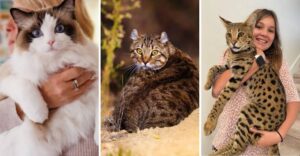
Big cat breeds like the Maine Coon, Ragdoll, Norwegian Forest Cat, and Siberian are prized for their large size, affectionate personalities, and family-friendly temperaments. Weighing anywhere from 12 to 25 pounds, these gentle giants combine striking looks with loyal, easygoing natures — making them a popular choice for households of all kinds.
Big cats aren’t just for jungles and safaris. Some of the most affectionate, loyal, and downright cuddly companions come in oversized packages, and they’re living in homes just like yours. If you’ve ever wondered why certain cat breeds seem to tower over the rest, or why some felines act more like dogs than typical house cats, you’re about to find out.
This guide walks through the most popular big cat breeds, what makes them stand out, and how to decide which one might be the right fit for your family. Whether the goal is finding a laid-back lap cat or an energetic companion who’ll follow you room to room, there’s a large breed suited to nearly every lifestyle.
What Makes a Cat Breed “Big”?
A cat is generally considered a “big cat breed” when adults typically weigh over 12 pounds and have a substantial bone structure to match. Several factors contribute to this size, including genetics, diet, and the specific breed standards set by organizations like the Cat Fanciers’ Association (CFA).
Big cat breeds usually share a few traits:
- Solid, muscular bodies rather than simply being overweight
- Longer growth periods, often taking three to five years to reach full size
- Thick, weather-resistant coats in many (though not all) large breeds
- Calm, adaptable temperaments that suit family life
It’s worth noting that being large doesn’t necessarily mean being aggressive or hard to handle. In fact, many of the largest domestic cat breeds are known for being unusually gentle.
The Most Popular Big Cat Breeds for Families
Maine Coon
The Maine Coon is widely regarded as the gold standard among big cat breeds. Males can weigh between 13 and 18 pounds, with some exceptional individuals reaching over 20 pounds. Maine Coons are recognized for their large size and gentle nature, and they’ve earned a reputation as “gentle giants” thanks to their friendly, dog-like personalities.
These cats thrive on human interaction and tend to bond closely with every member of the household, including children and other pets. If a Maine Coon kitten is being considered, it helps to understand what you’ll really pay in 2026, since pricing varies based on pedigree, coat color, and breeder reputation. A broader look at Maine Coon price ranges can also help set realistic expectations before bringing one home.
Ragdoll
Ragdolls are another heavyweight in the cat world, with males often weighing 15 to 20 pounds. True to their name, Ragdolls tend to go limp and relaxed when picked up, making them a favorite for people who want a cat that enjoys being held.
Their plush, semi-long coats and striking blue eyes add to their appeal, though regular grooming is required to keep their fur mat-free.
Norwegian Forest Cat
Built for cold climates, the Norwegian Forest Cat features a dense double coat and a sturdy frame that can reach up to 16 pounds. These cats are excellent climbers and retain a strong instinct for outdoor exploration, even indoors.
Despite their wild appearance, Norwegian Forest Cats are affectionate and enjoy being part of family activities without being overly demanding.
Siberian
The Siberian cat is one of the oldest natural cat breeds, hailing from Russia’s harsh climate. Adult males typically weigh 15 to 20 pounds and boast a triple-layered coat designed for insulation.
Siberians are playful, agile despite their size, and known for forming strong attachments to their owners.
British Shorthair
While slightly smaller than some other big cat breeds, British Shorthairs can still reach 12 to 18 pounds, especially in males. Their round faces, dense coats, and calm demeanor make them a low-maintenance option for people wanting a large, easygoing cat.
Savannah Cat
For those drawn to a wilder look, the Savannah cat — a hybrid between a domestic cat and an African serval — can weigh up to 25 pounds in early generations. Savannahs are athletic, highly intelligent, and require more mental stimulation than most other big cat breeds.
Why Consider a Big Cat Breed?
Choosing among big cat breeds comes with several practical and emotional benefits:
- Family-friendly temperaments. Many large breeds, like Maine Coons and Ragdolls, are known for patience with children.
- Presence and personality. Bigger cats often have bigger personalities, forming close bonds and following owners around the house.
- Impressive lifespans. Well-cared-for big cat breeds, such as Maine Coons, commonly live 12 to 15 years or longer.
- Striking appearances. From tufted ears to flowing coats, large breeds tend to have a wow factor that smaller cats don’t always offer.
Tips for Choosing the Right Big Cat Breed
Selecting a large-breed kitten isn’t only about picking the cutest photo online. A few things should be considered first:
- Space and lifestyle. Larger cats need room to stretch, climb, and play, so apartment living may require extra enrichment like cat trees.
- Grooming commitment. Long-haired breeds such as Maine Coons and Norwegian Forest Cats require regular brushing to prevent matting.
- Budget for care. Bigger cats often eat more and may have higher veterinary costs over their lifetime.
- Breeder reputation. A reputable breeder should provide health records, proper socialization, and transparency about lineage. Browsing available kittens from an established breeder is a good place to start.
- Coat color preferences. Some buyers are drawn to specific looks; for example, those interested in a golden-brown coat may want to explore brown cats for sale as part of their search.
Common Mistakes to Avoid When Choosing a Big Cat Breed
Even experienced cat owners can stumble when bringing home a larger breed. These mistakes are seen often:
- Underestimating growth time. Many big cat breeds take years to reach full size, so a kitten’s current weight isn’t a reliable indicator of its adult size.
- Skipping health screenings. Reputable breeders test for conditions like hypertrophic cardiomyopathy, which is more common in certain large breeds.
- Ignoring temperament research. Not all big cats are cuddly lap cats — some, like Savannahs, need active engagement rather than quiet companionship.
- Choosing based on looks alone. A striking coat is appealing, but lifestyle compatibility should always come first.
According to guidance from the American Veterinary Medical Association, early socialization plays a critical role in a kitten’s long-term temperament, regardless of breed size. This is why questions about a breeder’s socialization practices should always be asked before making a decision.
Frequently Asked Questions About Big Cat Breeds
What is the largest domestic cat breed?
The Maine Coon and Savannah cat are generally considered the largest domestic breeds, with some individuals exceeding 20 pounds.
Are big cat breeds good with children?
Yes, many big cat breeds — particularly Maine Coons and Ragdolls — are known for being patient and gentle, making them well-suited to families with kids.
Do big cat breeds cost more to care for?
Generally, yes. Larger cats tend to eat more food and may require higher doses of medication, which can slightly increase long-term care costs.
How long do big cat breeds typically live?
Many large breeds, including Maine Coons, live between 12 and 15 years when provided with proper nutrition and veterinary care.
Is a big cat breed a good choice for a small apartment?
It can be, as long as vertical space (like cat trees) and daily play are provided to keep the cat active and engaged.
Finding Your Own Gentle Giant
Big cat breeds offer a unique combination of size, personality, and charm that’s hard to match. Whether a Maine Coon’s affectionate nature, a Ragdoll’s relaxed cuddliness, or a Siberian’s playful energy sounds appealing, there’s a large breed out there suited to nearly any home.
If a Maine Coon has caught your interest, available kittens can be viewed to find a healthy, well-socialized companion ready to join your family. Questions about pricing, care, or the adoption process are always welcome — simply reach out today to start the conversation.