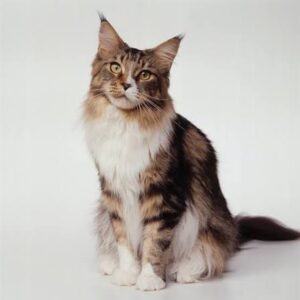
To find Maine Coon adoption near me options, check local animal shelters, breed-specific rescues, and reputable breeders like Giant Maine Coon Kitten. Expect adoption fees between $75–$300 from rescues, or $1,000–$2,500+ from breeders. Always verify health records, ask about temperament, and meet the cat before committing.
So, you’ve decided you want a Maine Coon. Good choice. These gentle giants are famous for their dog-like loyalty, tufted paws, and personalities that somehow manage to be both goofy and dignified at the same time. But once you start typing “Maine Coon adoption near me” into Google, you quickly realize there are a lot of options out there—and not all of them are equal.
This guide walks you through everything you need to know before bringing one of these fluffy giants home. We’ll cover where to look, what to expect, how much it costs, and the questions you should always ask before adopting. Whether you’re a longtime cat lover or someone who just fell for a Maine Coon photo on Instagram, you’re in the right place.
Why Maine Coons Are Worth the Search
Maine Coons aren’t your average house cat. They’re one of the largest domesticated cat breeds, with males often weighing between 13 and 18 pounds (some tip the scales even higher). Despite their size, they’re known for being affectionate, playful, and surprisingly patient with kids and other pets.
A few traits that make them stand out:
- Size and presence: Fully grown males can reach lengths of over three feet from nose to tail.
- Friendly temperament: Often described as “dog-like” because they follow their owners around the house.
- Intelligence: They’re quick learners and can even be trained to play fetch or walk on a leash.
- Weather-resistant coat: Their thick, water-repellent fur was originally bred to survive harsh New England winters.
If you’re picturing a cat that greets you at the door and curls up next to you on the couch like a furry heater, you’re on the right track.
Where to Look for Maine Coon Adoption Near Me
This is usually where people get stuck. There’s no single database that lists every available Maine Coon in your area, so you’ll need to check a few different sources.
Local Animal Shelters and Humane Societies
Shelters occasionally get purebred or mixed Maine Coons, especially in regions with large cat populations. According to the ASPCA, millions of cats enter U.S. shelters every year, and while Maine Coons are less common than mixed breeds, they do show up. Adoption fees here are usually the most affordable, often between $75 and $150.
Breed-Specific Rescue Organizations
Rescue groups dedicated to Maine Coons or large cat breeds are a great middle ground between a shelter and a breeder. They typically know the breed well and can give you detailed information about a cat’s personality, history, and health. The Petfinder website lets you filter searches by breed and location, making it one of the easiest ways to find a Maine Coon rescue near you.
Reputable Breeders
If you want a kitten with documented lineage, health testing, and early socialization, a breeder might be the better route. Giant Maine Coon Kitten specializes in raising healthy, well-socialized Maine Coon kittens and can be a solid option if you’re searching for a breeder near you with a strong reputation. Just be sure to ask about health guarantees and see the kitten’s living conditions before committing.
Online Adoption Platforms
Sites like Adopt a Pet aggregate listings from shelters and rescues across the country, letting you search specifically for Maine Coons in your zip code.
How Much Does Maine Coon Adoption Cost?
Cost varies a lot depending on where you adopt from:
- Shelters: $75–$150, often including vaccinations and spay/neuter surgery.
- Breed rescues: $150–$300, sometimes with additional vetting and foster care history.
- Breeders: $1,000–$2,500+, depending on lineage, health testing, and breeder reputation.
While breeder prices might seem steep, they often reflect the cost of genetic testing for conditions like hypertrophic cardiomyopathy (HCM), a heart condition Maine Coons are genetically predisposed to. According to Cornell University’s Feline Health Center, HCM screening is one of the most important health checks for this breed.
What to Ask Before Adopting a Maine Coon
Before you commit, it helps to ask the right questions—whether you’re dealing with a shelter, rescue, or breeder.
Questions for Shelters and Rescues
- What’s known about the cat’s history and behavior?
- Has the cat been vaccinated and spayed or neutered?
- Are there any known health conditions?
Questions for Breeders
- Can you see health clearance documents for the parents?
- What age do kittens typically go to their new homes?
- Is there a health guarantee or return policy?
Choose a rescue if you want to give a cat a second chance and prefer lower upfront costs. Choose a breeder if you want more predictability around lineage, temperament, and long-term health outcomes.
Common Mistakes to Avoid When Adopting
Even experienced pet owners can slip up during the adoption process. Here are a few pitfalls to watch for:
- Skipping the home visit or video call: Many rescues require this step, and skipping it can delay or disqualify your application.
- Not budgeting for ongoing costs: Maine Coons eat more than average cats and may need larger litter boxes and beds.
- Ignoring health documentation: Always ask for proof of vaccinations and genetic testing, especially from breeders.
- Rushing the decision: Maine Coons can live 12–15 years. Take time to make sure the personality and energy level match your lifestyle.
Preparing Your Home for a Maine Coon
Before your new cat arrives, a little preparation goes a long way:
- Get a large litter box: Standard boxes can feel cramped for a cat this size.
- Invest in sturdy scratching posts: Maine Coons have strong claws and enjoy climbing.
- Cat-proof your space: These cats are curious and surprisingly agile for their size, so secure fragile items and block off any risky nooks.
- Stock up on high-quality food: Look for formulas designed for large or active breeds.
Frequently Asked Questions
How much does a Maine Coon cost at a shelter versus a breeder?
Shelter adoption typically costs $75–$150, while breeders charge $1,000–$2,500 or more, depending on lineage and health testing.
How long does the adoption process usually take?
It can range from a few days for shelter adoptions to several weeks or months for breeder waitlists, especially for specific colors or lineages.
Are Maine Coons good with kids and other pets?
Yes. Maine Coons are known for their patient, social temperament, making them a good fit for families with children or other animals.
What health issues are common in Maine Coons?
Hypertrophic cardiomyopathy (HCM) and hip dysplasia are the most well-documented concerns. Reputable breeders test for these conditions before breeding.
Can I find a purebred Maine Coon in a shelter?
It’s possible but uncommon. Breed-specific rescues or verified breeders are more reliable if you want a purebred Maine Coon with documented lineage.
Finding Your Maine Coon Companion
Searching for “Maine Coon adoption near me” can feel overwhelming at first, but narrowing down your options gets easier once you know where to look and what questions to ask. Shelters and rescues offer an affordable, meaningful way to give a cat a second chance, while breeders provide more predictability if lineage and health testing matter most to you.
Whichever path you choose, take your time, do your research, and don’t be afraid to ask detailed questions before bringing a Maine Coon into your home. These cats are a long-term commitment, but for most owners, they’re well worth the investment of time and love.
If you’re ready to start your search with a trusted source, visit Giant Maine Coon Kitten to learn more about available kittens and what makes a responsible breeder stand out from the rest.