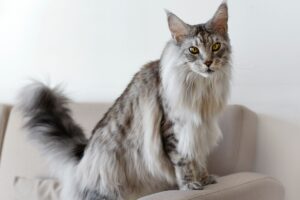
The Maine Coon is widely recognized as the largest cat breed, with males often weighing between 18 and 25 pounds and measuring up to 40 inches from nose to tail. Known for their tufted paws, thick fur, and affectionate personalities, Maine Coons combine impressive size with a gentle, dog-like temperament that makes them beloved family companions.
If you’ve ever seen a photo of a cat that looks more like a small bobcat lounging on someone’s couch, there’s a good chance you were looking at a Maine Coon. As the largest cat breed recognized by major cat associations, the Maine Coon has captured the hearts of families, cat lovers, and pet enthusiasts across the country. But what exactly makes this breed so big, and is a giant cat the right fit for your household?
In this guide, we’ll walk through everything worth knowing about the largest cat breed—size records, personality traits, care needs, and what to expect if you’re thinking about welcoming one home.
Why the Maine Coon Is Considered the Largest Cat Breed
The Maine Coon didn’t earn its “gentle giant” nickname by accident. This breed is naturally larger than nearly every other domestic cat, and several physical traits set it apart:
- Weight: Males typically weigh 13 to 18 pounds, though some individuals reach 25 pounds or more.
- Length: Maine Coons can measure up to 40 inches from nose to tail tip, making them one of the longest cat breeds in the world.
- Bone structure: A broad chest, sturdy legs, and a substantial frame give the breed its muscular, solid appearance.
- Coat: A long, shaggy, water-resistant coat adds to their larger-than-life presence, especially around the neck and belly.
According to Wikipedia’s overview of the breed, Maine Coons originated in the United States and are believed to have developed their size and thick coats as an adaptation to harsh New England winters. Their large paws, often compared to snowshoes, likely helped them move easily across snow-covered ground.
How Maine Coons Compare to Other Large Cat Breeds
While the Maine Coon usually tops the list, it isn’t the only large breed out there. Other notably big cats include:
- Ragdolls, known for their laid-back nature and males weighing up to 20 pounds.
- Norwegian Forest Cats, close cousins in size and coat type to the Maine Coon.
- Savannah cats, tall and athletic due to their partial wild ancestry.
That said, when it comes to overall length and record-breaking size, the Maine Coon tends to be the breed most frequently cited as the largest cat breed in the world.
Personality Traits That Make Maine Coons Great Family Pets
Size isn’t the only reason people fall in love with this breed. Maine Coons are often described as dog-like in temperament, and for good reason.
Are Maine Coons Good With Children and Other Pets?
Yes—Maine Coons are typically patient, playful, and tolerant, which makes them a solid choice for households with kids or other animals. They tend to follow their owners from room to room, and many enjoy being included in daily family activities rather than sitting off to the side.
Do Maine Coons Require a Lot of Attention?
Maine Coons are social cats. While they’re not usually clingy, they do appreciate companionship and mental stimulation. Puzzle toys, climbing trees, and regular playtime help keep them happy and engaged.
Caring for the Largest Cat Breed: What You Need to Know
Bringing home a giant cat means adjusting a few things in your care routine. Here’s what typically matters most.
Nutrition Needs for Large Cat Breeds
Because Maine Coons grow slower and larger than the average cat, proper nutrition during kittenhood is essential. Balanced feeding has been widely recognized as critical to feline wellbeing, particularly for larger breeds that take up to four years to reach full physical maturity, according to the American Animal Hospital Association. A high-quality, protein-rich diet supports healthy bone and muscle development throughout this extended growth period.
Grooming a Long-Haired Giant
That signature shaggy coat needs regular brushing—ideally two to three times a week—to prevent mats and reduce shedding. Despite its length, the coat is surprisingly low-maintenance compared to other long-haired breeds, since it’s more water-resistant and less prone to tangling.
Socialization and Early Handling
Early socialization plays a major role in shaping a Maine Coon’s friendly, easygoing nature. Gentle handling and consistent human interaction from a young age are practices encouraged by veterinary professionals, as noted by the American Veterinary Medical Association, to help kittens grow into confident, well-adjusted companions.
Common Mistakes to Avoid When Choosing a Large Cat Breed
Even experienced cat owners can run into a few pitfalls when considering a giant breed like the Maine Coon.
- Underestimating space needs. These cats are big, active, and need room to climb and stretch.
- Skipping health screenings. Reputable breeders test for conditions like hypertrophic cardiomyopathy, which is more common in larger breeds.
- Assuming all “Maine Coon” kittens are purebred. Because the breed is popular, it’s worth confirming lineage and health records before purchasing.
- Overlooking long-term costs. Larger cats often eat more and may require bigger litter boxes, carriers, and furniture.
If you’re exploring ownership costs, it helps to understand pricing upfront. A detailed breakdown of Maine Coon kitten prices can give you a clearer picture of what to expect based on pedigree, coat color, and breeder reputation. For a broader look at typical costs across the board, this Maine Coon price range guide is another useful resource.
Is a Maine Coon the Right Giant Cat Breed for You?
Choosing the largest cat breed isn’t just about wanting a big cat—it’s about matching a lifestyle to a breed’s needs. A Maine Coon tends to be an excellent fit for:
- Families with children who want a patient, playful companion.
- Multi-pet households, since Maine Coons generally get along well with dogs and other cats.
- Owners who enjoy an interactive pet rather than a strictly independent one.
On the other hand, if you’re short on space or prefer a low-maintenance lap cat, a smaller or shorter-haired breed might suit you better.
Frequently Asked Questions About the Largest Cat Breed
What is the largest cat breed in the world?
The Maine Coon is generally recognized as the largest domestic cat breed, with some males reaching up to 25 pounds and lengths of nearly 40 inches.
How much does a Maine Coon kitten typically cost?
Prices vary based on pedigree, coat color, and breeder reputation, but a detailed cost breakdown can be found in this Maine Coon kitten price guide.
Are Maine Coons good for first-time cat owners?
Yes. Their easygoing, tolerant personalities make them a popular choice even for those new to cat ownership, though their grooming and space needs should be considered beforehand.
How long does it take for a Maine Coon to reach full size?
Unlike most breeds, Maine Coons can take three to four years to fully mature, gradually filling out in both size and coat thickness.
Do Maine Coons come in different colors, including brown?
Yes. Maine Coons are found in a wide range of colors and patterns. If a brown coat is what you’re after, this guide to brown cats for sale covers several breed options, including the Maine Coon.
Finding Your Own Gentle Giant
The Maine Coon’s title as the largest cat breed is well earned, backed by an impressive size, a striking coat, and a temperament that’s as warm as its appearance is grand. Whether you’re drawn to their playful energy, their loyalty, or simply their sheer size, a Maine Coon can make a wonderful addition to the right home.
If you’re ready to start the search for your own gentle giant, browsing available Maine Coon kittens is a great next step. And if you have questions about pricing, health screenings, or the adoption process, feel free to reach out and get in touch—your future companion could be just a conversation away.