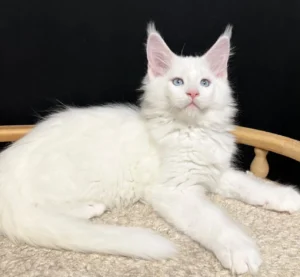
If you’ve ever seen a white Maine Coon cat in person, you probably stopped and stared. There’s something almost regal about this breed—the thick snowy coat, the tufted ears, the sheer size of them. It’s no wonder so many families and cat lovers go searching for one to bring home.
But before you fall head over heels for those piercing eyes and fluffy mane, there’s a lot worth knowing about the white Maine Coon cat. From their personality quirks to their health needs, this guide covers everything you need to make an informed decision—whether you’re just curious or ready to welcome one into your home.
What Makes the White Maine Coon Cat So Special?
The Maine Coon is already one of the largest domesticated cat breeds in the world, and the white variation adds an extra layer of elegance to an already striking animal. Their coat isn’t just white for show—it’s a genetic trait tied to the dominant white gene, which masks all other colors and patterns.
Here’s what typically sets this breed apart:
- Size: Males often weigh between 13 and 18 pounds, with females slightly smaller.
- Coat: A long, shaggy, water-resistant double coat that’s thicker around the neck, resembling a lion’s mane.
- Eyes: Can be blue, green, gold, or odd-eyed (one blue, one another color).
- Temperament: Gentle, social, and surprisingly dog-like in their loyalty.
According to the Cat Fanciers’ Association, Maine Coons are one of the oldest natural breeds in North America, believed to have originated in the state of Maine. Their white counterparts carry the same hardy genetics, just wrapped in a different coat color.
Are White Maine Coon Cats Rare?
Yes, solid white Maine Coons are considered less common than the tabby or tortoiseshell varieties. Breeders often have waiting lists specifically for white kittens, especially those with blue or odd-colored eyes, since this combination is particularly sought after.
White Maine Coon Cat Personality: What to Expect
One of the biggest draws of this breed isn’t just the looks—it’s the personality. White Maine Coons tend to be:
- Affectionate without being clingy. They enjoy being near their people but don’t usually demand constant attention.
- Playful well into adulthood. Many owners say their Maine Coons never really grow out of their kitten-like curiosity.
- Great with kids and other pets. Their patient nature makes them a solid choice for busy households.
- Vocal, but not loud. They communicate through soft chirps and trills rather than persistent meowing.
If you’re searching for a large cat with a calm but engaging presence, this breed checks nearly every box.
Health Considerations for White Maine Coon Cats
While Maine Coons are generally healthy and long-lived, white-coated cats carry a few additional considerations worth knowing about.
Deafness Risk Linked to Blue Eyes
White cats with blue eyes have a higher likelihood of congenital deafness due to the same gene responsible for their coat color. The American Society for the Prevention of Cruelty to Animals (ASPCA) notes that this link is well-documented across multiple white-coated breeds, not just Maine Coons. Odd-eyed cats (one blue eye) may only experience hearing loss in the ear on the same side as the blue eye.
Sun Sensitivity
Their lighter skin pigmentation can make them more prone to sunburn, especially around the ears and nose if they spend time near sunny windows or outdoors.
Hypertrophic Cardiomyopathy (HCM)
This heart condition isn’t exclusive to white Maine Coons, but it is more prevalent in the breed overall. Regular veterinary checkups, including cardiac screenings, are strongly recommended. The Maine Coon breed health resources from the Cornell Feline Health Center offer helpful guidance on monitoring symptoms early.
Tip: Ask any breeder for proof of genetic health testing on the parents before committing to a kitten. Reputable breeders won’t hesitate to share this information.
How to Care for a White Maine Coon Cat
Caring for this breed isn’t drastically different from other long-haired cats, but a few things deserve extra attention.
Grooming Tips
- Brush at least two to three times a week to prevent mats, especially around the belly and behind the ears.
- Use a stainless-steel comb for the undercoat and a slicker brush for the topcoat.
- Bathe occasionally, since their water-resistant coat can still collect dirt and oils over time.
- Check ears and eyes regularly, as white cats can sometimes show more noticeable tear staining.
Diet and Nutrition
Given their large frame, white Maine Coons need a diet rich in high-quality protein to support muscle development, especially during their first two to three years of growth, since Maine Coons mature slower than most breeds.
Exercise Needs
Despite their size, these cats are agile and enjoy climbing, so a tall cat tree or shelving unit gives them an outlet for their energy. Interactive toys and puzzle feeders also work well to keep their sharp minds engaged.
Choosing a White Maine Coon Kitten: What to Look For
If you’ve decided this breed is right for your home, the next step is finding a reputable source. Here’s what to keep in mind:
- Ask about genetic testing. Reputable breeders test for HCM and polycystic kidney disease.
- Request to see the kitten’s parents. This gives insight into size, temperament, and coat quality.
- Avoid prices that seem too low. Maine Coon kittens, particularly white ones with blue or odd eyes, often range from $1,000 to $3,000 depending on pedigree and breeder reputation.
- Visit if possible. A clean, well-socialized environment is a good sign of responsible breeding practices.
If you’re exploring your options, you can browse available white Maine Coon kittens to see current litters and connect directly with a breeder who specializes in this stunning color variation.
Common Mistakes People Make With White Maine Coon Cats
Even experienced cat owners can run into a few avoidable issues with this breed:
- Underestimating their size as adults. Many owners aren’t prepared for just how large Maine Coons get, often not reaching full size until age three or four.
- Skipping hearing tests for blue-eyed kittens. A simple BAER (Brainstem Auditory Evoked Response) test can confirm hearing status early on.
- Neglecting grooming routines. Their thick coat mats quickly if brushing isn’t consistent.
- Buying from unverified sources. This increases the risk of health issues down the line, including genetic heart conditions.
Frequently Asked Questions About White Maine Coon Cats
Are white Maine Coon cats deaf?
Not all of them. Deafness is more common in white cats with blue eyes due to a genetic link, but many white Maine Coons have normal hearing, especially those with green or gold eyes.
How much does a white Maine Coon cat cost?
Prices generally range from $1,000 to $3,000, depending on the breeder, pedigree, and eye color. Blue-eyed or odd-eyed kittens often cost more due to demand.
Do white Maine Coons require special care compared to other colors?
Their care is largely the same as any Maine Coon, though owners should watch for sun sensitivity and monitor hearing in blue-eyed cats.
How big do white Maine Coon cats get?
Males typically reach 13 to 18 pounds, while females average 8 to 12 pounds. Some males have been known to exceed 20 pounds.
Are white Maine Coon cats good with families?
Yes. They’re known for being gentle, patient, and sociable, making them a great fit for households with kids or other pets.
Finding Your Perfect Companion
The white Maine Coon cat brings together striking looks, a gentle temperament, and the kind of loyalty that makes them feel like part of the family almost instantly. They’re not the right fit for everyone—their size and grooming needs require real commitment—but for the right household, they’re hard to beat.
If you’re ready to start your search, take the time to find a breeder who prioritizes health testing and transparency. A little research now saves a lot of heartache later.
Ready to meet your future companion? Explore available white Maine Coon kittens today and take the first step toward bringing home a cat as magnificent as they are affectionate.