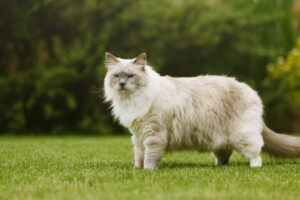
Large domestic cat breeds like the Maine Coon, Ragdoll, Norwegian Forest Cat, and Savannah typically weigh between 12 and 25 pounds and stand out for their muscular build, thick coats, and famously affectionate personalities. These gentle giants make wonderful family pets because they combine impressive size with calm, loving temperaments.
If you’ve ever wanted a cat that feels more like a small dog curled up on your lap, you’re not alone. Large domestic cat breeds have become one of the most searched-for categories among pet lovers, and it’s easy to see why. There’s something irresistible about a cat that greets you at the door, follows you from room to room, and still fits comfortably in your arms despite weighing as much as a bowling ball.
Choosing a large cat breed isn’t just about size, though. It’s about finding a companion whose personality matches your lifestyle. Some big cats are laid-back lap warmers, while others are energetic climbers who need plenty of space to stretch their long legs. This guide walks through the most popular large domestic cat breeds, what makes each one unique, and how to decide which gentle giant belongs in your home.
What Counts as a “Large” Domestic Cat Breed?
Most domestic cats weigh somewhere between 8 and 10 pounds. Large domestic cat breeds, on the other hand, often tip the scales at 15 pounds or more, with some males reaching 25 pounds or higher. Size isn’t only measured in weight, either. Breeders and vets also look at body length, bone structure, and overall frame when classifying a breed as “large.”
According to Wikipedia’s overview of the Maine Coon, males of the breed can weigh between 18 and 25 pounds, with females typically ranging from 10 to 15 pounds. That’s nearly double the size of an average housecat, which explains why the Maine Coon is often the first breed people think of when picturing a big, fluffy cat.
Popular Large Domestic Cat Breeds to Know
Maine Coon
The Maine Coon is widely considered the largest domesticated cat breed, and it’s easy to understand why this breed has such a loyal fan base. Beyond their size, Maine Coons are known for their intelligence, playful energy, and surprisingly gentle nature. They’re often described as “dog-like” because many enjoy fetch, respond to their names, and form close bonds with their families.
If you’re curious about just how big this breed can get, our article on the largest cat breed breaks down everything from average weight to full-grown size expectations.
Ragdoll
Ragdolls are famous for going limp when picked up, which is exactly how the breed got its name. They typically weigh between 10 and 20 pounds and have a sweet, docile temperament that makes them ideal for families with children. Ragdolls tend to be less vocal and more relaxed than other large breeds, so they’re a great fit for quieter households.
Norwegian Forest Cat
Built for cold climates, the Norwegian Forest Cat has a thick double coat and a sturdy, muscular body. Weighing in at 12 to 16 pounds, this breed is athletic and enjoys climbing, so tall cat trees or shelving are a good investment if you bring one home.
Savannah
The Savannah cat is a hybrid breed developed from crossing a domestic cat with a serval, a wild African cat. This heritage gives Savannahs their strikingly tall, lean frame and high energy levels. Depending on the generation, Savannahs can weigh anywhere from 12 to 25 pounds and require plenty of mental and physical stimulation to stay happy.
Siberian
Hailing from Russia, the Siberian cat is another large, fluffy breed known for its dense triple coat and friendly disposition. Adult Siberians usually weigh between 12 and 20 pounds and are known for being playful well into adulthood.
For a broader comparison of these breeds side by side, take a look at our roundup of massive cat breeds, which covers ten gentle giants in detail.
Why Large Domestic Cat Breeds Make Great Companions
Big cats tend to come with big personalities, and that’s part of the appeal. Here’s what many owners love about large domestic cat breeds:
- Affectionate temperaments: Many large breeds, like Ragdolls and Maine Coons, are known for being especially loving and people-oriented.
- Family-friendly nature: Their calm demeanor often makes them a safer, more tolerant choice around children and other pets.
- Striking appearance: Long coats, tufted ears, and muscular builds give these breeds a wild, exotic look despite their gentle nature.
- Interactive play: Larger breeds are often more engaged and dog-like in how they interact with their owners.
Tips for Choosing and Raising a Large Cat Breed
Bringing home a large domestic cat breed is exciting, but it does come with a few extra considerations compared to smaller cats.
Prioritize Nutrition Early On
Large breed kittens grow at a different rate than average-sized cats, so proper nutrition matters even more during those early months. Balanced feeding is widely recognized as essential to feline wellbeing, particularly for breeds that reach full maturity later than most, sometimes not until they’re three or four years old.
Focus on Early Socialization
Large cat breeds tend to be confident and social, but that personality doesn’t happen by accident. Gentle handling and consistent interaction from a young age are practices encouraged by veterinary professionals to help kittens grow into friendly, well-adjusted adults.
Give Them Room to Grow
Because these breeds are larger and often more active, they benefit from sturdy furniture, tall scratching posts, and enough space to move around comfortably. A cramped apartment isn’t necessarily a dealbreaker, but it’s worth planning ahead.
Common Mistakes to Avoid
- Underestimating growth timelines: Some large breeds don’t reach full size until age three, so don’t judge a kitten’s future size purely by its appearance at eight weeks.
- Skipping veterinary checkups: Larger breeds can be prone to specific health issues, like hypertrophic cardiomyopathy in Maine Coons, so regular screenings matter.
- Choosing based on looks alone: Energy levels vary widely between breeds. A Savannah and a Ragdoll may look similarly impressive, but their care needs are very different.
If you’re specifically hoping to raise a larger cat from a smaller starting point, our guide on how to get your cat bigger offers practical, realistic advice for supporting healthy growth.
Frequently Asked Questions
What is the largest domestic cat breed?
The Maine Coon is generally recognized as the largest domestic cat breed, with males often weighing between 18 and 25 pounds.
Are large cat breeds more expensive to care for?
Yes, in many cases. Larger breeds typically eat more food, may need bigger litter boxes and beds, and can require more frequent veterinary monitoring for breed-specific health conditions.
Do large domestic cat breeds get along well with children?
Many do. Breeds like the Ragdoll and Maine Coon are known for their patient, gentle temperaments, making them popular choices for families with kids.
How long does it take for a large cat breed to reach full size?
It varies, but many large breeds, including the Maine Coon, don’t reach full physical maturity until they’re three to five years old.
Are large cat breeds hypoallergenic?
No large cat breed is completely hypoallergenic, though some people find breeds like the Siberian produce fewer allergens than others.
Finding Your Own Gentle Giant
Large domestic cat breeds offer a rare combination: the striking presence of a wild-looking animal paired with the loyalty and affection of a devoted companion. Whether you’re drawn to the Maine Coon’s dog-like charm, the Ragdoll’s easygoing nature, or the Savannah’s exotic energy, there’s a big cat breed out there suited to nearly every lifestyle.
If a Maine Coon has caught your eye, now’s a great time to explore your options. Browse our available kittens to see which gentle giant might be the perfect fit for your family, or reach out to us with any questions about bringing one home.