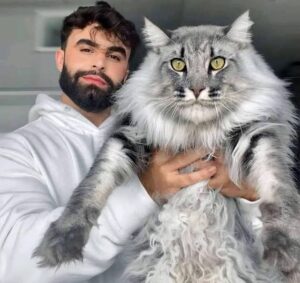
The Maine Coon is widely recognized as the largest domestic cat breed, with males typically weighing 18 to 25 pounds and measuring up to 40 inches from nose to tail. Known for its tufted ears, bushy tail, and dog-like personality, the Maine Coon combines an impressive size with a gentle, family-friendly temperament that makes it one of the most sought-after large cat breeds in the world.
If you’ve ever seen a cat that looks like it wandered off a nature documentary and into someone’s living room, there’s a good chance you were looking at a Maine Coon. This breed has earned a reputation as the largest domestic cat breed, and once you learn more about its history, size, and personality, it’s easy to understand why so many families fall in love with them.
Whether you’re simply curious about big cat breeds or you’re seriously considering bringing one home, this guide walks through everything worth knowing about the largest domestic cat breed. We’ll cover how big Maine Coons actually get, what makes them different from other large breeds, and what life with one of these gentle giants really looks like.
What Is the Largest Domestic Cat Breed?
The Maine Coon holds the title of the largest domestic cat breed, according to most breed standards and cat associations. Males often weigh between 18 and 25 pounds, while females tend to be somewhat smaller, ranging from 10 to 15 pounds. Some exceptionally large males have been recorded at over 30 pounds, though that’s on the extreme end.
Size isn’t the only standout trait. Maine Coons are also long, with some individuals measuring nearly 40 inches from the tip of their nose to the end of their tail. That length, combined with a sturdy, muscular frame, is what gives the breed its “gentle giant” reputation. According to Wikipedia’s overview of the breed, Maine Coons are one of the oldest natural breeds in North America, believed to have originated in the state of Maine, where their thick fur and large paws helped them survive harsh winters.
How Big Do Maine Coons Get Compared to Other Cats?
For comparison, the average domestic cat weighs around 8 to 10 pounds. A full-grown Maine Coon can weigh double that, or more. Their size, paired with tufted ears, a ruffed neck, and a long bushy tail, gives them a wild, almost bobcat-like appearance, even though they’re every bit as domesticated as any other housecat.
Maine Coons also take longer to reach full size than most breeds. While many cats stop growing around 12 months, Maine Coons often continue filling out until they’re three to five years old. This slow, steady growth is part of what makes them such an impressive, and patience-testing, breed to raise.
Other Large Cat Breeds Worth Knowing
While the Maine Coon tops the list, it isn’t the only large domestic cat breed out there. A few others worth mentioning include:
- Ragdoll: Known for going limp when held, Ragdolls can weigh up to 20 pounds and have a calm, affectionate nature.
- Norwegian Forest Cat: A close cousin to the Maine Coon in appearance, this breed is built for cold climates and can weigh up to 16 pounds.
- Savannah: A mix between a domestic cat and a serval, Savannahs can weigh up to 25 pounds and are known for their athletic, energetic personalities.
If you’d like a deeper comparison of these breeds, our article on massive cat breeds breaks down how each one stacks up in size, temperament, and care needs. And if the Maine Coon has already caught your attention, our full breakdown of the largest cat breed covers everything from growth timelines to personality traits.
Why Are Maine Coons So Popular Among Families?
Size alone doesn’t explain the Maine Coon’s popularity. What really sets this breed apart is its temperament. Despite their imposing size, Maine Coons are famous for being gentle, sociable, and remarkably patient, especially around children and other pets.
Here’s what most owners can expect:
- Dog-like loyalty: Maine Coons often follow their owners from room to room and enjoy being part of daily activities.
- High intelligence: They’re quick learners and can even be trained to walk on a leash or play fetch.
- Playful nature: Despite their size, Maine Coons retain a kitten-like playfulness well into adulthood.
- Chirps and trills: Instead of a typical meow, many Maine Coons communicate with a distinctive chirping sound.
This combination of size and sweetness is exactly why Maine Coons are often described as gentle giants rather than intimidating cats.
What Do Maine Coons Need to Grow Big and Healthy?
Genetics play the biggest role in determining a Maine Coon’s size, but proper care matters too. A few essentials include:
- Balanced nutrition: A diet appropriate for large-breed cats supports healthy joint and muscle development. Proper nutrition is considered essential to feline wellbeing throughout every life stage, according to guidance from the American Animal Hospital Association.
- Routine veterinary care: Regular checkups help catch any health concerns early, particularly since larger breeds can be prone to conditions like hip dysplasia or hypertrophic cardiomyopathy.
- Early socialization: Kittens who are handled gently and exposed to new experiences early on tend to grow into more confident, friendly adults. This approach is echoed by the American Veterinary Medical Association, which recommends early socialization as an important part of raising well-adjusted pets.
If you’re wondering how to support healthy growth in your own cat, our guide on how to get your cat bigger offers practical, vet-informed tips for encouraging healthy weight and development, without compromising your cat’s wellbeing.
Common Mistakes to Avoid When Raising a Large Cat Breed
Bringing home a large breed like the Maine Coon comes with a few responsibilities that first-time owners sometimes overlook. Some of the most common mistakes include:
- Overfeeding: Bigger doesn’t mean better when it comes to weight. Overfeeding can lead to obesity, which puts extra strain on joints already supporting a larger frame.
- Skipping grooming: Maine Coons have thick, semi-long fur that requires regular brushing to prevent mats and tangles.
- Underestimating space needs: These cats are active and enjoy climbing, so a home with vertical space, like cat trees or shelves, helps keep them happy.
- Delaying vet visits: Because Maine Coons grow slowly, it’s easy to miss subtle signs of health issues. Regular checkups are especially important during their extended growth period.
Frequently Asked Questions About the Largest Domestic Cat Breed
What is the largest domestic cat breed in the world?
The Maine Coon is the largest domestic cat breed, with males commonly weighing between 18 and 25 pounds and measuring up to 40 inches in length.
How long does it take for a Maine Coon to reach full size?
Maine Coons typically take three to five years to reach their full size, which is significantly longer than most cat breeds that mature within the first year.
Are Maine Coons good family pets?
Yes. Maine Coons are known for their gentle, affectionate, and patient temperament, making them a popular choice for families with children and other pets.
Do large cat breeds require special care?
Large breeds like the Maine Coon benefit from large-breed-specific nutrition, regular veterinary checkups, and consistent grooming to support healthy growth and prevent joint issues.
How much does a Maine Coon kitten typically cost?
Prices vary depending on lineage, breeder reputation, and location, but Maine Coon kittens from reputable breeders often range from a few hundred to several thousand dollars.
Ready to Welcome a Gentle Giant Into Your Home?
The Maine Coon’s combination of size, intelligence, and affection makes it easy to see why it’s considered the largest domestic cat breed and one of the most beloved. Whether you’re drawn to their striking appearance or their loyal, dog-like personality, a Maine Coon can make a wonderful addition to the right home.
If you’re ready to start the journey, take a look at our list of available kittens to find a healthy, well-socialized Maine Coon kitten ready to become part of your family. Or, if you have questions about the process, feel free to contact us — we’re happy to help you find your perfect companion.