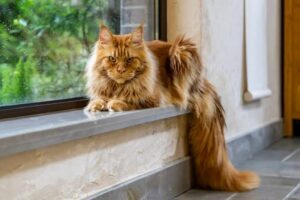
Bringing home a Maine Coon is a big decision, and it starts with choosing the right one of the many Maine Coon breeders out there. These gentle giants are known for their oversized paws, tufted ears, and personalities that feel more like a dog than a cat. But not every breeder raises kittens the same way, and the difference shows up later in your cat’s health, temperament, and overall happiness.
If you’ve been searching for Maine Coon breeders near you, you’ve probably noticed that prices, practices, and promises vary wildly. Some breeders prioritize health testing and early socialization. Others cut corners to sell kittens faster. Knowing what separates a responsible breeder from a questionable one can save you years of vet bills and heartache.
This guide walks through what reputable Maine Coon breeders actually do, the red flags to watch for, and the questions worth asking before you hand over a deposit. Whether you’re a first-time cat owner or a longtime Maine Coon enthusiast looking to add another fluffy companion to the household, you’ll leave with a clearer sense of what to look for.
What Makes Maine Coon Breeders Trustworthy?
A trustworthy breeder is defined by transparency. Health records are shared openly, questions are answered honestly, and kittens are raised in home environments rather than isolated cages. According to the Maine Coon breed profile on Wikipedia, the breed is one of the oldest natural cat breeds in North America, prized for its size, intelligence, and friendly disposition. That reputation only holds up when breeders take genetics and early development seriously.
Health Testing Should Never Be Optional
Reputable Maine Coon breeders test their breeding cats for hypertrophic cardiomyopathy (HCM) and hip dysplasia, two conditions the breed is genetically predisposed to. If a breeder can’t produce documentation for these tests, that’s a signal to keep looking.
Proper nutrition also plays a major role in long-term health. Balanced feeding is widely recognized by veterinary nutrition experts as essential to feline wellbeing, and it’s something worth asking about directly. A good breeder should be able to explain exactly what their kittens eat and why.
Socialization Shapes Temperament
Maine Coons are famous for being affectionate, but that temperament isn’t guaranteed by genetics alone. Early handling and daily interaction are encouraged by veterinary professionals as a way to help kittens grow into confident, people-oriented adults. Kittens raised underfoot in a family home, surrounded by noise, children, and other pets, tend to adjust to new homes far more easily than those raised in isolation.
Where to Start Looking for Maine Coon Breeders
Searching online is the obvious first step, but not every listing site vets its breeders carefully. Here are a few approaches that tend to work better:
- Breed-specific registries: Organizations like The International Cat Association (TICA) maintain breeder directories that require certain standards to be met.
- Word of mouth: Local cat shows and Maine Coon owner groups on social media are goldmines for honest recommendations.
- Established breeder websites: Sites that showcase available kittens with clear health and lineage information usually reflect a breeder who takes the process seriously.
It’s worth spending time browsing kitten listings, like this profile of Olivia, a black silver tabby female Maine Coon kitten, or Willow, a red tiger male kitten. Detailed listings like these show that individual attention has been given to each kitten, rather than treating them as interchangeable inventory.
Questions to Ask Before Choosing a Breeder
A short phone call or email exchange can reveal a lot. Consider asking:
- Can health testing results for both parent cats be provided?
- At what age are kittens weaned and rehomed?
- What does a typical day of socialization look like for the kittens?
- Is a health guarantee included with the purchase?
- Can the kitten’s living environment be seen, either in person or via video call?
If a breeder hesitates or becomes vague when answering these, that’s usually a sign to move on. Responsible Maine Coon breeders are used to being asked hard questions and generally welcome the transparency.
Common Mistakes People Make When Choosing a Breeder
Even well-meaning buyers fall into a few predictable traps.
Rushing the Decision
Excitement takes over, and a deposit gets sent before proper research has been done. It’s better to wait a few extra weeks for the right kitten than to rush into a purchase you’ll regret.
Focusing Only on Price
The cheapest kitten is rarely the best value once vet bills, genetic health issues, and behavioral problems are factored in. A higher upfront cost from a reputable breeder often reflects the expense of health testing, quality food, and proper veterinary care.
Ignoring the Kitten’s Environment
Photos can be deceiving. Whenever possible, ask for a video tour of where the kittens are raised. Clean, spacious, and enriched environments are a strong indicator of how much care goes into daily upbringing.
Skipping the Contract
A written contract protects both the buyer and the breeder. It should outline health guarantees, spay/neuter requirements (if applicable), and return policies should circumstances change.
What Happens After You Bring Your Maine Coon Kitten Home?
Good breeders don’t disappear after the sale. Many, including those behind this Maine Coon lifespan guide, continue offering support with feeding schedules, grooming routines, and general care questions. Maine Coons typically live between 12 and 18 years, with proper care sometimes extending that well into their 20s, so the relationship with your breeder can remain valuable for years after adoption.
Settling a new kitten into your home takes patience. Expect an adjustment period of a few days to a couple of weeks, during which quiet spaces, consistent feeding times, and plenty of gentle interaction will help your kitten feel secure.
Frequently Asked Questions About Maine Coon Breeders
How much do Maine Coon kittens typically cost?
Prices generally range from $1,000 to $3,000, depending on lineage, coat color, and the breeder’s reputation. Kittens from show-quality bloodlines or rare colors tend to sit at the higher end of that range.
How long does it take to get a kitten from a reputable breeder?
Waitlists are common with responsible Maine Coon breeders, often ranging from a few weeks to several months. High demand and limited litters mean patience is usually required.
What are the risks of buying from an unverified breeder or kitten mill?
Kittens from unverified sources are more likely to carry undiagnosed genetic conditions, experience poor socialization, and lack proper vaccination records. Long-term veterinary costs can end up far exceeding the initial savings.
Are there alternatives to buying from a breeder?
Maine Coon rescues and breed-specific shelters occasionally have cats available for adoption, though purebred kittens are rare in shelters. Adoption is a worthwhile option for those less focused on a young kitten and more open to an adult cat.
Who is a Maine Coon best suited for?
Families with children, multi-pet households, and individuals seeking an affectionate, dog-like companion tend to do especially well with Maine Coons. Their patient, easygoing nature makes them a good fit for busy households, provided enough space and playtime are offered.
Ready to Find Your Maine Coon Companion?
Choosing among Maine Coon breeders doesn’t have to feel overwhelming once you know what questions to ask and what red flags to avoid. Health testing, early socialization, and transparency are the three pillars that separate a responsible breeder from one to steer clear of.
If you’re ready to start the search, browse our current list of available Maine Coon kittens or reach out with any questions about the reservation process. Your future Maine Coon companion might be closer than you think.