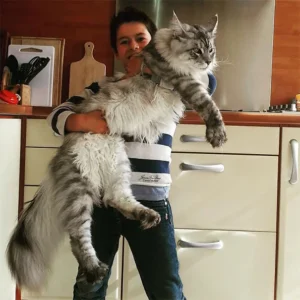
Cats come in all shapes and sizes, but if you’re dreaming of a gentle giant curled up on your couch, you’re not alone. Many families search for ways to get a cat bigger, whether that means choosing the right breed from the start or helping a kitten reach its full size potential through good care. This guide breaks down exactly what makes a cat bigger, what you can (and can’t) control, and how to raise a large, healthy cat the right way.
Whether you already have a kitten at home or you’re still deciding which cat to bring into your family, understanding the mix of genetics, nutrition, and care that goes into feline size will help you set realistic expectations and avoid common mistakes along the way.
What Actually Makes a Cat Bigger?
Before diving into tips, it helps to understand where size comes from in the first place. A cat’s size is shaped by three main factors: genetics, nutrition, and overall health during the growth years.
Genetics Matter More Than Anything Else
If you want a cat bigger than your average house cat, breed selection is by far the most important decision you’ll make. No amount of feeding or care will turn a small breed into a giant one, because size is largely written into a cat’s DNA before it’s even born.
This is why breeds like the Maine Coon are so popular among people specifically searching for large cats. Maine Coons are one of the biggest domesticated cat breeds in the world, with males often weighing between 13 and 18 pounds, and some reaching over 20 pounds. Their long bodies, broad chests, and tufted paws give them a naturally larger frame than most other breeds.
Nutrition Plays a Huge Role During Growth
Genetics set the ceiling, but nutrition determines whether a kitten actually reaches it. A cat that’s fed a poor diet during its first two years won’t grow to its full potential, even if it comes from a large breed.
According to guidance from the American Animal Hospital Association, balanced nutrition is essential to feline wellbeing at every life stage, but it’s especially critical during kittenhood when bones, muscles, and organs are still developing.
Health and Environment Also Count
A cat that’s frequently sick, stressed, or under-socialized may not grow or thrive the way a healthy, well-cared-for kitten will. Routine veterinary checkups, a clean living environment, and daily attention all contribute to healthy development.
How to Help Your Cat Grow Bigger and Healthier
If you already have a kitten, or you’re planning to bring one home soon, here are practical ways to support healthy, proportionate growth.
1. Choose a Breed Known for Large Size
If size is your priority, start with genetics. Breeds known for their large frames include:
- Maine Coon – One of the largest and most popular giant breeds, known for a gentle, affectionate temperament
- Ragdoll – A large, docile breed that can weigh up to 20 pounds
- Norwegian Forest Cat – A sturdy, muscular breed built for cold climates
- Siberian – A dense, large-boned breed with a thick double coat
Among these, the Maine Coon stands out for combining impressive size with a famously friendly, people-oriented personality, which is part of why so many families searching for a “cat bigger” than average end up choosing one.
2. Feed a High-Quality, Age-Appropriate Diet
Kittens need more protein and calories relative to their size than adult cats, since their bodies are actively building muscle and bone. Look for food specifically formulated for kittens or large-breed kittens, and avoid overfeeding low-quality fillers that add weight without supporting real growth.
It’s worth noting that “bigger” should always mean healthy growth, not excess weight. A cat that’s overweight isn’t the same as a cat that’s naturally large, and extra pounds can lead to joint problems and other health issues down the road.
3. Schedule Regular Veterinary Checkups
Routine vet visits help catch nutritional deficiencies, parasites, or health issues early, before they can stunt a kitten’s growth. Vets can also track your kitten’s weight and size against breed-specific growth charts to confirm things are on track.
4. Socialize and Handle Your Kitten Early
Growth isn’t only physical. Early socialization helps kittens develop confidence and reduces stress, which supports overall health. The American Veterinary Medical Association recommends regular, gentle handling and exposure to new experiences during a kitten’s early weeks to help them grow into calm, well-adjusted cats.
5. Be Patient — Large Breeds Mature Slowly
Here’s something many new owners don’t expect: large breeds like Maine Coons often take three to five years to reach full size, compared to about one year for most domestic cats. So if your kitten seems to be growing slower than expected, that’s often completely normal for a large breed rather than a cause for concern.
Common Mistakes People Make When Trying to Get a Bigger Cat
Even well-meaning owners can slow down healthy growth or accidentally harm their kitten’s health. Watch out for these common pitfalls:
- Overfeeding instead of feeding well. More food doesn’t mean more healthy growth — it often just means more fat.
- Choosing a breed based on looks alone. Not every fluffy-looking kitten will grow into a large cat, so it’s worth researching breed standards and, when possible, seeing the size of the kitten’s parents.
- Skipping veterinary care. Undetected parasites or illnesses can quietly limit growth.
- Expecting fast results. Giant breeds mature slowly, and rushing or worrying too early can lead to unnecessary stress.
- Buying from unverified sources. Since a cat’s size largely comes down to genetics, it’s important to buy from a breeder who can verify lineage and health history. You can browse available Maine Coon kittens from parents with documented size and temperament if you want a reliable starting point.
How Much Does a Bigger Cat Breed Cost?
If you’re leaning toward a large breed like the Maine Coon, cost is a reasonable thing to plan for. Prices typically range from $1,000 to $3,000, depending on pedigree, breeder reputation, and location, with show-quality kittens often priced higher. You can get a more detailed breakdown in this guide to Maine Coon kitten prices.
FAQs About Getting a Cat Bigger
Can you make a small cat breed grow bigger with diet alone?
No. Diet supports healthy growth, but it can’t override genetics. A small breed fed well will simply become a healthy cat of its natural size, not a larger one.
What is the biggest domestic cat breed?
The Maine Coon is widely recognized as one of the largest domestic cat breeds, with males commonly weighing between 13 and 18 pounds.
How long does it take for a large cat breed to reach full size?
Large breeds like Maine Coons typically take three to five years to reach full physical maturity, much longer than the roughly one year it takes most standard-sized cats.
Is a bigger cat harder to care for?
Not necessarily. Large breeds like Maine Coons are often known for being gentle and easygoing, though they may need more food and slightly more grooming due to their size and coat.
Where can I find a large cat breed like the Maine Coon?
Reputable breeders who can verify lineage, health screenings, and parent size are the safest option. You can view currently available kittens here or reach out through the contact page with any questions.
Ready to Welcome a Bigger, Gentle Companion Home?
Getting a cat bigger isn’t about tricks or shortcuts. It comes down to choosing the right breed, feeding a quality diet, staying consistent with veterinary care, and giving your kitten time to grow into its full size. For families who want a large, affectionate companion from the very start, a Maine Coon offers one of the most reliable paths to that goal.
If you’re ready to find a healthy, well-socialized kitten from a breed built for size and gentleness, take a look at our available Maine Coon kittens or get in touch with any questions about bringing one home.