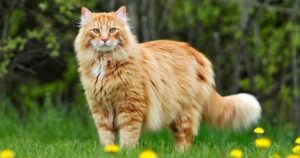
Big house cats are large domestic breeds—like the Maine Coon, Ragdoll, and Norwegian Forest Cat—that can weigh 15 to 25 pounds while remaining calm, affectionate, and well-suited to family life. They combine an imposing size with a gentle temperament, making them popular for households wanting a large, loving companion rather than a purely wild-looking breed.
If you’ve ever seen a cat stretched across a couch looking more like a small dog than a housecat, you’ve probably encountered one of the big house cats taking the internet by storm. These gentle giants have become a favorite among cat lovers, families, and anyone hoping to bring home a companion with real presence—both in size and personality.
Big house cats aren’t just larger versions of your average tabby. Many of these breeds carry unique histories, distinct coat types, and temperaments shaped by generations of selective breeding. Some were bred for hunting on farms, others for surviving cold climates, and a few simply because breeders wanted a cat that looked as impressive as it felt to hold.
In this guide, you’ll learn what makes a cat qualify as a “big house cat,” which breeds top the list, what to expect in terms of care and cost, and how to decide if one of these gentle giants belongs in your home.
What Makes a Cat a “Big House Cat”?
Not every large cat is considered a big house cat. The term generally refers to domesticated breeds that combine substantial size with a friendly, adaptable temperament suited for indoor family life. According to the Cat Fanciers’ Association, breed standards for larger cats often emphasize both physical structure and personality traits like sociability and trainability.
Generally, a big house cat will have:
- A muscular, substantial frame rather than just extra weight
- A calm, affectionate temperament that makes them good with children and other pets
- A long lifespan, often 12 to 15 years with proper care
- A distinctive coat, whether long and fluffy or dense and water-resistant
Size alone doesn’t tell the whole story. A cat’s bone structure, tail length, and even ear tufts contribute to that “gentle giant” look many people fall in love with.
Popular Big House Cat Breeds Worth Knowing
Maine Coon
The Maine Coon is widely recognized as the largest domesticated cat breed, with males often weighing between 18 and 25 pounds. Known for their large size and gentle nature, Maine Coons are affectionate, playful, and surprisingly dog-like in how they follow their owners around the house. If you’re curious about just how big this breed can get, our article on the largest cat breed breaks down the full details.
Ragdoll
Ragdolls are named for their tendency to go limp with relaxation when picked up. Weighing 10 to 20 pounds, they’re known for their striking blue eyes and semi-long coats. Ragdolls tend to be less independent than other breeds, often craving close contact with their owners.
Norwegian Forest Cat
Bred to survive harsh Scandinavian winters, the Norwegian Forest Cat has a thick double coat and a sturdy build. These cats are agile climbers, and their friendly, easygoing nature makes them a popular choice for active households.
Savannah Cat
A cross between a domestic cat and a serval, the Savannah cat brings a wild appearance with a more manageable temperament than its exotic heritage might suggest. These cats are energetic, curious, and often enjoy interactive play more than lounging around.
For a broader look at these and other large breeds, check out our roundup of massive cat breeds that redefine what it means to be a “lap cat.”
Benefits of Owning a Big House Cat
Choosing a big house cat comes with several advantages beyond their impressive size:
- Affectionate companionship: Many large breeds, especially Maine Coons and Ragdolls, are known for bonding closely with their families.
- Confident temperaments: Larger breeds are often more tolerant of handling, making them well-suited to homes with children.
- Visual impact: There’s no denying the appeal of a cat that commands attention the moment it walks into a room.
- Longevity: With proper nutrition and veterinary care, many big house cats live well into their teens.
That said, bigger cats often come with bigger needs. Larger litter boxes, sturdier scratching posts, and more substantial food portions are all part of the package.
Common Mistakes When Choosing or Caring for a Big House Cat
Even experienced cat owners can run into a few pitfalls when bringing home a large breed.
Underestimating Nutritional Needs
Big house cats require more calories and specific nutrient ratios to support their size, especially during kitten growth stages. Pro per nutrition is widely recognized as essential to feline wellbeing, and this is even more true for larger breeds still developing bone and muscle mass.
Skipping Early Socialization
Large cats that aren’t properly socialized as kittens can become anxious or standoffish as adults. Early handling and interaction, practices encouraged by veterinary professionals, play a major role in shaping a confident, friendly temperament.
Ignoring Grooming Requirements
Many big house cat breeds have long or dense coats that require regular brushing. Skipping grooming can lead to matting, especially in breeds like the Maine Coon and Norwegian Forest Cat.
Not Researching the Breeder
Not all breeders prioritize health and temperament equally. If you’re considering adding a large breed kitten to your family, it’s worth reviewing available kittens from a breeder that emphasizes proper nutrition, veterinary care, and early socialization.
How to Help a Cat Reach Its Full Size Potential
If you already have a cat and are hoping to support healthy growth, several factors come into play, including genetics, diet, and overall health. For a deeper dive into safe, effective methods, our guide on how to get your cat bigger covers practical, vet-informed tips.
It’s worth noting that a cat’s ultimate size is largely determined by genetics. No amount of feeding will turn a domestic shorthair into a 20-pound Maine Coon, but proper nutrition and care will help any cat reach its natural potential.
Frequently Asked Questions About Big House Cats
What is the biggest breed of house cat?
The Maine Coon is generally considered the largest domesticated house cat breed, with males often reaching 18 to 25 pounds and lengths of up to 40 inches, including their tail.
How much do big house cats cost?
Prices vary widely depending on breed, lineage, and breeder reputation. Large purebred kittens, such as Maine Coons, often range from $1,000 to $3,000 or more, particularly for kittens from breeders emphasizing health testing and early socialization.
Are big house cats good with children?
Yes, many big house cat breeds, including Maine Coons and Ragdolls, are known for their patient, gentle temperaments, making them well-suited for families with children.
Do big house cats require special care?
Big house cats often need more food, larger litter boxes, and sturdier furniture to accommodate their size. Breeds with long coats also require regular grooming to prevent matting.
How long do big house cats live?
With proper nutrition and veterinary care, most big house cat breeds live between 12 and 15 years, with some individuals living even longer.
Finding Your Own Gentle Giant
Big house cats bring a unique combination of size, affection, and personality that’s hard to match. Whether you’re drawn to the striking looks of a Maine Coon, the relaxed nature of a Ragdoll, or the wild appearance of a Savannah cat, there’s a gentle giant out there suited to nearly every household.
If you’re ready to welcome one of these remarkable companions into your home, take a look at our current available kittens and find the big house cat that’s the perfect fit for your family.